


QEEG Brain Mapping
Everything you need
Quantitative Electroencephalography (QEEG)
QEEG is often referred to as “brain mapping.” Special sensors are placed on the surface of the head to record brainwave activity in different regions. Brain mapping is non-invasive and painless. Similar to a thermometer that simply measures your temperature without affecting it, a brain map only records the brain’s electrical activity for analysis, it does not influence the brain itself.
The recorded data is processed using a validated normative database and compared to typical patterns, allowing us to identify areas that may require further attention.
Like other laboratory assessments, QEEG brain mapping compares the brain activity of a child or adult to normative data for their age group. Similar to a thyroid blood test, which shows whether hormone levels are within the normal range, too low (hypothyroidism), or too high (hyperthyroidism), brain mapping helps determine whether brain activity falls within typical ranges or shows signs of dysregulation.
The QEEG process helps identify areas of the brain that may be underfunctioning or dysregulated. This information allows for the development of individualized and optimized programs for development or neurofeedback-based training.
The comprehensive report includes an in-depth analysis of brain function, going far beyond traditional EEG. Using advanced source analysis, we assess not only surface activity but also the likely underlying brain regions generating that activity.
A key component of the report is the evaluation of major brain networks in the resting state—groups of brain regions that remain active and interact even when a person is not performing tasks. These networks are essential for understanding mood regulation, attention, self-awareness, memory, and perception.
The QEEG profile report evaluates both the level of activation within each network and the connectivity patterns between them. Disruptions in these patterns help guide personalized neurofeedback protocols and the development of individualized support or training programs tailored to the unique brain profile of each individual.
Additionally, during QEEG and neurofeedback sessions, we measure HRV (heart rate variability)—a key indicator of nervous system regulation. This metric is used to track progress and support home-based practices.


QEEG Brain Mapping
The consultation process at the Brain Training Center includes a comprehensive QEEG assessment with expert analysis of brain function.
The QEEG profile report is a modern tool that provides a clear and in-depth understanding of individual brain activity patterns. It helps identify deviations in brain function and links them to potential emotional, behavioral, and cognitive challenges.
We present the information in an accessible and easy-to-understand format, making it useful for both professionals and parents who are interested in their child’s development and well-being. A copy of the analysis report is provided during the follow-up consultation, where results and recommendations are discussed in detail.
Understanding is the first step toward effective support. The QEEG profile report opens new possibilities for more precise evaluation and personalized neurodevelopmental guidance.
The total cost of the comprehensive QEEG assessment is $1000. This includes:
Initial interview, Brain mapping (QEEG recording), Results consultation with Yuliia Tolpyhina, A complimentary trial neurofeedback session.
For additional fee to the standard components, the QEEG assessment package can also include extended cognitive QEEG testing, designed to evaluate memory, attention, executive functions, and/or processing speed and LORETA deep structure analyses.
Duration: approximately 2 hours. A $250 deposit is required to book the QEEG assessment. The remaining balance is paid at the time of the visit. If the appointment is missed or canceled with less than 24 hours’ notice, the deposit is non-refundable.
PRO PACKGE: QEEG Brain Mapping + Neurodiagnostics
Enhance the effectiveness of your neurodevelopmental program with the PRO Package — an extended option designed for parents who want a deeper understanding of their child’s neurophysiological profile and a personalized support plan.
What’s included in the PRO Package:
-
Full QEEG Assessment (Brain Mapping) + HRV assessment - up to 45 min
(valued separately at €1000) -
Cognitive QEEG + LORETA Analysis* - up 30 min
(advanced add-on option, valued at €250) -
Comprehensive Neurodiagnostics
(assessment of reflex integration, cognitive, socio-emotional, neurovision and motor functions valued separately at €750) 90-120 min -
Individual final Consultation with Yuliia Tolpyhina for 60 min
Including personalized recommendations for a tailored development or neurocorrection program based on the child’s needs and goals. -
Complimentary Trial Neurofeedback Session* 10 min
Pricing & Value
Total value if purchased separately: €2000
PRO Package price: €1500
Your savings: €500
Total time of the PRO Package with final consultation is approximately 4 hours without breaks. Assessments can be scheduled and completed in one 4 hour visit in one day with a 60 minute break.
Booking: €500 deposit is required to confirm participation.
Results of the assessment and final consultation will be available within 7-14 days of the initial assessment and can be conducted in person or via ZOOM.
Why it matters:
You receive more than just numbers or graphs , you gain a clear, comprehensive understanding of your child’s nervous system, tools for tracking progress over time, and structured guidance for next steps.
This is an investment in your child’s health, development, learning, behavior, attention, and the overall well-being of your family.

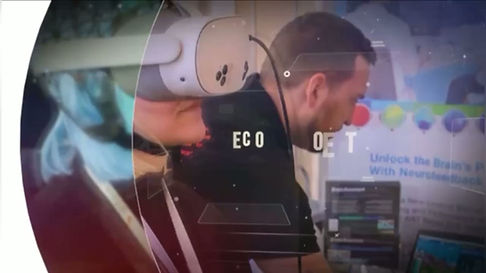
Neurofeedback
Neurofeedback is a form of brain training based on the brain’s own activity. The brain receives real-time feedback and learns to function in a more balanced, efficient, and regulated way.
QEEG and neurofeedback are non-invasive, painless, and safe methods.
The actual neurofeedback training period lasts up to 30 minutes, while each session takes approximately 45-60 minutes, allowing time for sensor placement, preparation, and adjustments. The cost of neurofeedback is €135 per session. Training is typically conducted twice per week. Most clients require at least 20 sessions to achieve optimal results, although initial improvements are often noticed much earlier. We generally recommend a minimum of 20 sessions over 10-12 weeks. Available for children from age 5-6 and older.
How QEEG and Neurofeedback Training Works in Practice
-
QEEG Assessment (Brain Mapping). A special cap with sensors is placed on the head. The child sits calmly while we record brain activity in different states (resting, eyes open, eyes closed, and during simple tasks).
-
Analysis and Interpretation. The results are compared with age-based normative databases. This allows us to identify which brain areas are overactive and which are underactive.
-
Personalized Plan Development. We create an individualized neurofeedback program based on specific needs and goals such as improving focus, reducing anxiety, enhancing sleep, or supporting emotional regulation.
-
Neurofeedback Training Sessions. The child watches a video or plays a simple game. The video or game continues only when the brain functions in a more optimal way—helping the brain learn self-regulation.
-
Progress Tracking. We conduct follow-up measurements, adjust the program as needed, and discuss progress with parents.
Total Program Cost. The minimum total cost of a neurofeedback program, including QEEG assessment, is approximately €5200. This includes: Initial QEEG assessment (within the PRO package), 20 neurofeedback sessions over approximately 3 months and final QEEG assessment to evaluate progress and outcomes within the basic QEEG package.
This structured approach provides both measurable data and practical guidance, supporting meaningful and lasting improvements in brain function and overall well-being.


The use of qEEG allows for the assessment of cognitive and emotional characteristics:
QEEG measures brain activity across different regions, providing insight into how a person functions in cognitive processes (such as attention, memory, problem-solving, and creativity) as well as emotional responses (including stress, anxiety, and motivation). This information can be used to evaluate an individual’s natural inclinations toward certain types of activities.
Applications include:
Learning aptitude:
Assessment of activity in areas related to memory, analytical thinking, and problem-solving. For example, increased activation in regions associated with logical reasoning may indicate a predisposition toward professions requiring strategic thinking, such as engineering or analytics.
Creative potential:
Theta and alpha brainwave activity are associated with flow states and creative processes. If qEEG shows dominance in these frequencies, the individual may be inclined toward creative professions such as art, music, or design.
Understanding hemispheric dominance:
Brain mapping allows identification of dominant hemispheric activity. For example:
-
The left hemisphere is associated with logic, analysis, language, and structured thinking.
-
The right hemisphere is linked to creativity, intuition, visualization, and spatial processing.
Based on this, career recommendations can be aligned with an individual’s natural strengths. For instance, a person with left-hemisphere dominance may excel in programming, law, or finance, while right-hemisphere dominance may be better suited to fields such as art, design, or psychology.
Identifying strengths and areas for development:
qEEG can highlight both strong and underperforming brain regions. If testing reveals difficulties with concentration or focus, this may indicate the need for targeted training or suggest professional paths requiring high levels of attention and analytical thinking. Conversely, strong activity in creative regions may support development in artistic or innovation-driven careers.
Assessment of psycho-emotional state:
qEEG enables evaluation of emotional states such as stress, anxiety, or depressive tendencies. This is particularly important in career guidance, as emotional regulation significantly influences performance and job satisfaction. Understanding how a person responds to stress can help guide them toward professional environments where they are more likely to feel confident and stable. For example, individuals with high anxiety levels may benefit from avoiding high-pressure or public-facing roles and instead choosing more structured and predictable environments.
Enhancing cognitive functions through neurofeedback:
Based on qEEG data, neurofeedback programs can be developed to improve specific brain functions such as attention, memory, and emotional regulation. This not only supports talent development but also enhances psychological resilience and task performance. Neurofeedback can help improve concentration, self-confidence, memory, and creativity, allowing individuals to fully realize their potential and increase productivity in their chosen field. It is also particularly valuable for developing focus and stress resilience in leadership and managerial roles.
Predicting professional satisfaction:
qEEG can reveal how the brain responds to different types of tasks — for example, high-demand analytical tasks versus creative activities. This helps determine which types of work are more likely to be fulfilling and which may lead to stress or fatigue. It supports the selection of career paths aligned with individual brain patterns, increasing long-term satisfaction and well-being.
The use of qEEG in talent development and career guidance is a powerful tool that enables precise assessment of individual brain characteristics and helps predict which professions best align with a person’s natural tendencies and cognitive profile. This approach not only optimizes career decisions but also supports long-term professional fulfillment, reduces the risk of burnout and depression, and promotes overall well-being. qEEG provides a deeply personalized approach for each individual, delivering meaningful and lasting results.


The use of qEEG in the development of corrective programs allows for a personalized approach aimed at improving cognitive function, emotional regulation, and overall psycho-emotional well-being.
Modern approaches to working with children and adults who experience difficulties in learning, behavior, emotional regulation, or recovery after trauma, coma, or stroke require individualized, data-driven methods. qEEG (quantitative brain mapping) is a powerful tool for identifying patterns of brain activity associated with various conditions such as ADHD, autism, depression, learning difficulties, anxiety, and others.
Relying solely on behavioral observation in developmental assessment may be insufficient and can lead to incomplete or inaccurate conclusions. This is where qEEG fills a critical gap. Unlike subjective reports from parents or teachers, qEEG provides objective information by directly analyzing the brain’s electrical activity — without intermediaries.
qEEG makes it possible to identify deviations and brainwave patterns that cannot be detected through observation alone. This approach allows specialists to design more precise and individualized neurocorrection strategies.
How qEEG works within a corrective program:
Analysis of brain activity:
qEEG measures and analyzes activity across different brain regions using specialized electrodes. This allows identification of areas that require either stimulation or calming. Detecting inefficient activity patterns such as hyperactivity in specific regions can help explain difficulties with attention, concentration, hyperactivity, or anxiety.
Personalized correction program:
Based on qEEG data, an individualized program is developed, often incorporating neurofeedback and complementary methods. For example, if reduced activity is observed in areas responsible for attention, the program may focus on enhancing cognitive processes through targeted exercises and training. qEEG provides precise information about which brain areas require activation or regulation and which training methods (such as neurofeedback) will be most effective.
Advantages of using qEEG in corrective programs:
Individualized approach:
qEEG offers a unique opportunity to understand how a specific individual’s brain functions. This enables the development of highly personalized programs that take into account neurobiological characteristics and individual brain patterns. Such programs can address specific challenges, including attention difficulties, emotional instability, hyperactivity, or depression.
Effective correction of behavioral, motor, and cognitive difficulties:
qEEG allows precise identification of brain regions that require intervention. Neurofeedback and targeted exercises can then be used to influence these areas, improving behavior, motor coordination, attention, memory, and learning capacity. In cases such as autism or ADHD, these programs can support better social adaptation, attention, and communication skills.
Interpretation and identification of therapeutic targets:
Using qEEG combined with a neurofunctional assessment battery, a neurofunctional profile is created. For example:
Dominance of slow rhythms (delta/theta) may indicate underactivation or suppression (often seen in areas affected by trauma or perfusion deficits).
Excess beta or high-frequency activity may reflect overload, anxiety, or hyperexcitability.
Frontal asymmetry (reduced left frontal activity) may be associated with decreased motivation or initiation (often observed in post-stroke or depressive conditions).
High theta/beta ratio in frontal or central regions may indicate attention and executive function difficulties (including ADHD-like patterns in children and adults).
Low coherence between motor areas may reflect poor network coordination and reduced motor integration.
Each identified pattern becomes a specific therapeutic target for example, increasing activity in one region, reducing hyperactivity in another, or improving connectivity between networks.
Fast and accurate identification of hidden challenges:
qEEG can reveal issues that may remain undetected using conventional assessment methods. For instance, subtle dysregulation in brain activity may underlie attention or behavioral difficulties even when outward symptoms are not obvious.
Prevention and early intervention:
Beyond diagnosing and correcting existing challenges, qEEG can help identify predispositions to future difficulties, such as depression, anxiety disorders, learning challenges, or behavioral dysregulation. This allows for early intervention and risk reduction.
Addressing root causes:
qEEG-based approaches focus not only on symptom management but on underlying mechanisms. Unlike traditional methods that often target surface-level behavior, these programs aim to restore optimal brain function.
Assessment process:
Initial assessment:
A qEEG recording is conducted using electrodes to measure brain activity both at rest and during specific tasks.
Data analysis:
Specialists analyze the collected data and develop a personalized corrective program based on identified brain patterns.
Neurofeedback and complementary methods:
Neurofeedback is used to train and regulate brain activity. Programs may also include neurocorrection exercises, breathing practices, attention training, cognitive skill development, and reflex integration.
Ongoing sessions and monitoring:
Regular sessions allow tracking of progress, adjustment of the program when needed, and gradual improvement over time.
Expected outcomes of corrective programs:
Improvement in cognitive functions: attention, memory, learning capacity
Behavioral regulation: reduction of hyperactivity, anxiety, irritability, and improved emotional stability
Enhanced social adaptation: improved communication skills and self-confidence
Prevention of psychological disorders: reduced risk of depression and anxiety
The use of qEEG in developing corrective programs represents an effective and innovative approach that not only addresses current challenges but also supports long-term improvement in learning, behavior, and emotional regulation. By providing precise insights into brain function, qEEG enables the creation of personalized programs that achieve optimal results efficiently.
We do not provide medical diagnoses or prescribe medications. Our role is to describe the functional characteristics of brain activity how the brain processes information, responds to stress, distributes attention, and generates emotional and behavioral responses. This information helps to better understand an individual’s neuropsychological profile but does not constitute a clinical diagnosis and does not replace consultation with a neurologist or psychiatrist.
_edited_edited.png)

Overlapping areas are shared traits
by Katy Higgins Lee, MFT

.png)

Common QEEG Myths and Frequently Asked Questions (FAQs)
Myth 1: When it comes to brain mapping, many people think: “This is for complex cases, for diagnoses… we don’t need this.”
In fact, QEEG helps with more than just ADHD, ASD, or anxiety.
This is a method that helps to understand the individuality of the brain: its strengths and vulnerabilities.
It's used both for gifted children and for families who want to better understand and support each other. QEEG is a window into human neurophysiology, and its capabilities are far broader.
Myth 2: It's scary and painful. QEEG is a completely painless and non-invasive procedure (as seen in the video).
A special cap with sensors that read the electrical activity of the brain is placed on the head.
Nothing is injected, injected, or “affected” the brain.
Myth 3: You need a doctor's referral. No! Brain mapping is not a medical diagnosis, but a functional neuroassessment performed by neuropsychologists.
It can be useful before, during, or after therapy - and does not require a referral.
Myth 4: We've already done an EEG, is it the same thing? An EEG evaluates the presence of pathologies (for example, epilepsy).
And QEEG is a "functional mirror" of the brain, which shows how it works in everyday life.
It's like comparing an X-ray and a functional MRI.
Myth 5: The results are difficult to understand On the contrary, I always explain the “brain map” in simple and understandable language.
And you, as parents, receive a visual report, recommendations, and a roadmap:
- how to help a child at home,
- what neuro-approaches to use,
- what really works in the case of your child.
QEEG isn't scary. It's valuable. And it can even save family relationships.

What is the difference between standard EEG and quantitative EEG (qEEG)?
Many people assume that EEG and qEEG are essentially the same test, just with “brain maps.” In reality, these are two fundamentally different approaches that answer different questions and require different levels of data quality, equipment, and signal processing.
What is standard EEG? Classical clinical EEG is primarily used in neurology and epileptology. Its main purpose is visual interpretation of the recording by a clinician.
What is assessed: epileptiform activity (spikes, sharp waves), slowing, gross asymmetries, signs of structural or organic brain damage
In other words, the key question is: “Is there pathology?”
Characteristics of standard EEG: visual analysis (not mathematical), tolerance for noise and artifacts, amplitude precision is not critical, phase characteristics are not analyzed, typical sampling rate: 128–256 Hz, minimal post-processing required.This is sufficient for detecting epilepsy and major neurological abnormalities.
What is quantitative EEG (qEEG)?
qEEG is a mathematical, digital analysis of EEG signals. Instead of simply observing the recording, we calculate multiple parameters that quantitatively describe brain function.
Here, the question becomes:
“How efficiently and how well-balanced is the brain functioning?”
What does qEEG analyze?
qEEG allows measurement of:
Spectral parameters:
-
power of brain rhythms (delta, theta, alpha, beta, gamma)
-
absolute and relative power (µV²)
-
peak frequency
-
ratios between rhythms
Functional connectivity:
-
coherence (synchronization between regions)
-
phase lags (timing delays)
-
network connectivity
-
hemispheric symmetry
Regional differences:
-
frontal vs parietal vs occipital activity
-
alpha reactivity (eyes open vs closed)
Normative comparison:
Each parameter is compared with large normative databases
-
converted into Z-scores, percentiles, and deviations
We don’t just see “alpha is present”, we see “alpha is 35% below the norm for this age.”
Why qEEG requires higher data quality. qEEG depends on:
-
precise amplitude measurements
-
accurate phase information
-
inter-channel correlations
-
mathematical modeling
Any noise or distortion leads to calculation errors.
Therefore, recording standards are significantly higher.
Sampling rate is a critical parameter
Sampling rate = how many times per second the signal is recorded (Hz).
Examples:
-
128 Hz → 128 samples/sec
-
256 Hz → 256 samples/sec
-
500 Hz → 500 samples/sec
-
1000 Hz → 1000 samples/sec
The higher the rate, the more detailed and accurate the signal.
Typical ranges:
-
Clinical EEG: 128–256 Hz
-
qEEG: 512–1000+ Hz
-
Research systems: 4–16 kHz (4000–16000 Hz)
Higher sampling rate provides:
-
better signal resolution
-
improved filtering
-
reduced phase distortion
-
more accurate power and coherence calculations
Simple analogy (photo/video)
-
Low sampling rate = low frame rate video (e.g., 10 fps) can be blurry, jerky, missing details
-
High sampling rate = high-speed video (240–1000 fps) is about precise motion, micro-details, accurate dynamics
How this affects EEG
Low sampling rate:
-
fast rhythms are lost (gamma, spikes)
-
reduced accuracy
-
unsuitable for qEEG or neurofeedback
High sampling rate:
-
high resolution
-
accurate spectral analysis
-
valid qEEG and research data
Why qEEG is more expensive than standard EEG
Although both measure brain electrical activity, qEEG requires:
-
high-precision amplifiers
-
low internal noise
-
stable signal quality
-
more channels
-
high sampling rates
-
advanced software
-
licensed normative databases
-
complex data processing (especially in children)
-
highly trained specialists
The process includes:
-
high-quality recording
-
artifact cleaning
-
mathematical analysis
-
comparison with databases
-
brain mapping
-
expert interpretation
qEEG is not just diagnostics - it is a functional evaluation of brain performance.
Key difference EEG asks “Is there pathology?” and qEEG asks “How exactly is the brain functioning? How efficient, synchronized, and age-appropriate is it?”
Standard EEG = clinical screening and qEEG = quantitative neurophysiology and functional diagnostics
Can standard EEG be used for qEEG?
In most cases no. Why:
-
aggressive filtering may distort the signal
-
amplitude and phase may be inaccurate
-
low sampling rate
-
more artifacts and movement noise
-
lack of standardized protocols
-
incompatible software and formats
qEEG requires:
-
raw, high-quality data
-
controlled conditions
-
proper preprocessing
“Garbage in - garbage out.”
Can I interpret qEEG recorded elsewhere? Accurate qEEG interpretation requires full confidence in:
-
recording conditions
-
preparation protocols
-
signal quality
-
artifact control
-
equipment and sampling rate
-
electrode placement
-
software and normative databases
Even small differences can distort results. For this reason, I work only with recordings performed by myself or by trained specialists from my team.This ensures reliability, safety, and accurate recommendations. I can guide you to trusted specialists if needed.
Why phase and synchronization matter. Standard EEG looks at each electrode separately.
qEEG analyzes how brain regions interact:
-
Are frontal and parietal areas synchronized?
-
Are there delays in signal transmission?
-
Is connectivity excessive or insufficient?
-
Are functional networks properly organized?
The brain is not a set of isolated points — it is a network. Many modern conditions (ADHD, anxiety, stress-related dysfunctions) may not appear on standard EEG but are clearly visible in:
-
coherence
-
phase shifts
-
network dynamics
This is what qEEG reveals.
Why normative databases are essential. qEEG is not just numbers — it is comparison. We compare results with large datasets of healthy individuals:
-
by age
-
by sex
-
by condition (eyes open/closed)
This produces:
-
Z-scores
-
deviations from norm
Not “alpha = 12 µV²”, but “alpha is 2 standard deviations below age norm.”These databases are licensed and costly, contributing to the overall price.
Why qEEG is essential for neurofeedback. Neurofeedback is brain training. To train effectively, we must know exactly what is dysregulated. Without qEEG protocols are more general
-
less personalized
With qEEG:
-
precise target areas are identified
-
networks can be trained specifically
-
outcomes are more predictable
High-quality neurofeedback is almost always based on qEEG.
qEEG is not “EEG with pictures.”
It is a fundamentally different level of brain analysis.
That is why it requires different equipment, higher recording standards, advanced processing and has a different cost
It is a shift from detecting pathology to understanding how the brain truly functions.


Why Neurofeedback with 4 Electrodes Is Not the Same as Full qEEG-Based Neurofeedback.
Today, the market offers many portable devices headbands, wearables, and “home neurofeedback” systems with 2–4 electrodes (such as BrainBit and similar tools).
They are convenient, mobile, and significantly more affordable. However, it is important to understand: this is not clinical or corrective neurofeedback and is fundamentally different from professional 19–24+ channel systems.
The difference is not about appearance it is about neurophysiology and signal mathematics.
The Core Limitation: Number of Electrodes
With only 4 electrodes, we see just 4 points of brain activity.
This means:
-
no full picture of brain function
-
no understanding of hemispheric balance
-
no simultaneous data from frontal, central, parietal, and occipital regions
-
no ability to assess networks as a whole
It is like measuring body temperature only at the fingertip and making conclusions about the entire organism.
What Full Multi-Channel Systems Provides. With 24+ channels, we can observe the entire cortex:
-
frontal, central, parietal, temporal, occipital regions
-
inter-regional connections
This allows us to:
-
analyze distribution of brain rhythms across the whole brain
-
assess asymmetry
-
calculate coherence and connectivity
-
identify network dysfunctions
-
build full brain maps
In other words, we work with the brain as a system, not as isolated points.
Why This Is Critical for Neurofeedback
Neurofeedback is brain training.
But to train effectively, we must know what exactly is dysregulated.
With 4 electrodes:
-
no full assessment
-
no qEEG
-
no comparison with normative databases
-
no understanding of which region actually needs correction
Typically, only general modes are available:
-
“relaxation”
-
“focus”
-
“attention”
But: we don’t know which processes are being trained, we don’t know where the imbalance is, we may train the wrong area. This islike training blindly.
With full qEEG-based neurofeedback:
First, a full-brain assessment is performed:
-
Where is alpha deficient?
-
Where is theta excessive?
-
Where is connectivity disrupted?
-
Where are phase delays present?
-
Which networks are overloaded?
Then a personalized protocol is created and specific regions, frequencies, rhythms, and connections are targeted
This is precise neuromodulation, not general relaxation training.
Why Portable Systems Can Be Ineffective (and Sometimes Harmful)
Without knowing the baseline brain state:
-
you may increase already excessive activity
-
suppress compensatory mechanisms
-
worsen sleep, attention, or anxiety
The issue is not that the device is “bad” it’s the lack of objective diagnostics and control.
Real-world example: Families often come after using home neurofeedback devices to “improve attention.”
After months no improvement in focus and increased fatigue and irritability
After proper qEEG we detected that the
-
the issue was not attention, but
-
parieto-occipital network imbalance
-
low alpha
-
disrupted interhemispheric synchronization
-
The 4-electrode system measured limited areas and trained “focus” blindly. It targeted a random parameter, not the root cause.
With a proper multi-channel protocol, results improved much faster.
Portable 2–4 channel systems:
✔ suitable for wellness, meditation, general relaxation
✔ mobile and affordable
❌ no full brain picture
❌ not suitable for clinical diagnostics
❌ cannot provide personalized neurofeedback
Full systems (24–64+ channels + qEEG):
✔ objective diagnostics
✔ comparison with normative databases
✔ network-level analysis
✔ personalized protocols
✔ clinical effectiveness
Neurofeedback is only as effective as the accuracy of the training persists. Without qEEG and sufficient channels it becomes general training, not targeted brain work.
What Neurofeedback Actually Does
Modern neuroscience (including work by John S. Anderson) emphasizes:
Neurofeedback does not change who you are
It expands the capabilities of your nervous system
It does not:
❌ alter personality
❌ “normalize” you to a standard
❌ remove individuality
It does:
✔ improve self-regulation
✔ increase adaptability
✔ expand the range of functional states
What Neurofeedback Develops
1. Brain Flexibility
Ability to shift between states, recover from stress, move between focus and rest, avoid getting “stuck” in anxiety or overload. Neurofeedback trains state transitions.
2. Resilience
Ability to tolerate stress, recover quickly, return to baseline
Not “never feeling stress,” but recovering faster.
3. Choice
When regulation is weak reactions are automatic (anxiety, shutdown, impulsivity)
When regulation improves
-
the brain gains choice
-
engage or rest
-
focus or switch
-
regulate behavior consciously
-
Behavior becomes regulated, not reactive.
Why This Matters for Neurodivergent Individuals
People with ADHD, autism, trauma, chronic stress, or sensory sensitivity often experience:
-
“stuck” states
-
overload
-
exhaustion
-
unstable attention
-
difficulty switching
The issue is not personality, it is rigidity of regulation.
Neurofeedback helps autonomic regulation, excitation/inhibition balance, cortical network flexibility, attention efficiency, sleep, brain synchronization
It creates more freedom within one’s natural traits.
Why 4 Electrodes Cannot Support This
With 4 channels:
-
no full cortical view
-
no network analysis
-
no coherence assessment
-
no inter-regional understanding
-
no personalization
Result:
❌ not flexibility training
❌ not network-level work
❌ just general “relax/focus” stimulation
Too crude for such a complex system.
Why qEEG + 24 Channels Align with Modern Science
Because we can:
✔ map the entire brain
✔ measure imbalances
✔ compare with norms
✔ identify specific networks
✔ create targeted protocols
✔ track progress objectively
Neurofeedback requires high-quality signal, high sampling rate, multi-channel recording, qEEG-based diagnostics
Without these it becomes a wellness gadget. With them it becomes a precise, evidence-based tool for real brain regulation and transformation.


Enhancing Resilience and Performance of Employees and Leaders through QEEG and HRV. Diagnostics and support that deliver measurable results
Designed for executives, startup founders, and organizations that invest in the health, retention, and performance of their teams. Discover how QEEG data and Heart Rate Variability (HRV) help identify employee burnout and directly impact overall organizational success.
Gain insight into the physiology of the nervous system through QEEG to build resilience, improve performance, and create a competitive advantage for your organization.
What we do
We provide evidence-based diagnostics and ongoing support for employees using:
✔ QEEG (Quantitative EEG) — objective assessment of cognitive load and stress-related overload
✔ Heart Rate Variability (HRV) — a key indicator of burnout, adaptability, and physiological resilience
✔ Based on the data, we develop personalized recovery and performance optimization plans
Who this is for
✔ Leaders who prioritize the well-being of key employees
✔ HR professionals implementing a culture of resilience
✔ Companies with high cognitive demands and increased burnout risk
✔ Teams undergoing growth, transformation, or operating under tight deadlines
What your organization gains
✔ Objective data on brain function and stress adaptation of employees
✔ Reduction in burnout, anxiety, errors, and workplace conflict
✔ Increased focus, clarity of thinking, and productivity
✔ Improved team dynamics and reduced turnover
✔ Direct support for leadership and HR: recommendations, reports, and group-level analytics
✔ This is not just assessment — it leads to measurable changes in behavior and team performance
Why this matters
While the investment may seem significant and not always prioritized, consider this:
The loss of a single highly qualified employee due to burnout can cost a company between 50% and 250% of their annual salary, depending on role and industry. In financial terms, this often translates to $5,000-$15,000 or more in losses (according to McKinsey & Gallup estimates).
Even retaining one employee can fully offset the cost of the program.
This is not an expense - it is an investment in resilience, retention, productivity, and team culture.
What the program includes
-
Initial assessment (QEEG + HRV)
-
Individual psychophysiological profile
-
Personalized program including breathing techniques, cognitive and behavioral strategies, neurofeedback and biofeedback
-
Ongoing support over 4–12 weeks with expert guidance
-
Final reassessment and detailed outcome report
-
(Optional) Group HR report with team risk analysis
Pricing starts from $2,000 per employee
A one-time assessment with recommendations (without ongoing support) is also available.
Final pricing depends on the format and scope of the program and is discussed individually.
✔ Flexible conditions for corporate clients
✔ Available worldwide
✔ English-language version of the program available
Ready to take control of your team’s resilience and performance?Contact us for a consultation and a customized proposal for your organization.


Who Can Benefit from QEEG Brain Mapping and Why We Combine It with LLLT, HRV, Neurofeedback, and Biofeedback
QEEG brain mapping can be highly beneficial for both children and adults across a wide range of conditions and goals:
✔ Learning, developmental, behavioral, and social challenges — understanding brain activity patterns to support progress and overcome difficulties
✔ ADHD and attention difficulties — identifying brain regions involved in focus and concentration
✔ Anxiety and depression — analyzing brain activity patterns associated with mood regulation
✔ Trauma and PTSD — evaluating brain function to support recovery after psychological trauma
✔ Chronic stress and insomnia — assessing brainwave patterns related to stress responses and sleep disturbances
✔ Memory loss and cognitive decline — monitoring brain function in conditions such as Alzheimer’s disease and dementia
✔ Traumatic brain injury and stroke recovery — supporting and tracking brain recovery processes
✔ Family and parent–child support — gaining deeper insight into individual differences and behavior
✔ Business, startups, and professional environments — enhancing resilience, focus, and performance of employees
✔ Retreats and personal transformation — reconnecting with yourself, understanding your emotional patterns, and planning your next life stage with clarity
✔ Schools, kindergartens, and developmental centers — understanding each child’s unique brain profile and creating personalized learning programs to unlock their full potential
Our Approach
At @brain_body_soul_ and @tolpyhina.neuro.school, we offer advanced QEEG brain mapping for a deep understanding of brain function. Our methods include:
✔ Comprehensive brain mapping and neurodiagnostics
Personalized analysis of brainwave activity with detailed recommendations
✔ Neurofeedback therapy
Training the brain using QEEG data to regulate activity and improve cognitive and emotional functioning
✔ HRV biofeedback
Training the body through heart rate variability to improve overall health, resilience, and mental well-being
✔ LLLT (Low-Level Laser Therapy)
Targeted “cold laser” stimulation applied to specific areas of the body and brain to enhance function and support recovery
Why Choose Us for QEEG Brain Mapping
@brain_body_soul_ is a leading center for QEEG mapping and neurotherapy. We combine advanced technology with evidence-based methods to deliver personalized, effective care.
✔ Expert neurotherapists
Extensive experience in QEEG interpretation and individualized program design
✔ Non-invasive and medication-free
Natural approaches to optimizing brain function, mental health, and physical well-being
✔ Advanced equipment
State-of-the-art QEEG and neurofeedback technologies for precise analysis
✔ Integrative approach
A multidisciplinary framework combining the latest international innovations
✔ Trusted results and reputation
Recognized for effective, modern methods that improve physical, emotional, and cognitive health
If you want to better understand how your brain works, we invite you to connect with us.
Let QEEG brain mapping become your first step toward mental clarity, emotional resilience, and harmony between brain and body. Start your journey to optimized brain function today.


HRV: The Pulse of the Nervous System
How we use heart rate variability in assessment and support for children and adults
HRV (Heart Rate Variability) is a simple yet powerful biomarker that is increasingly used in the practice of pediatricians, psychologists, neurologists, osteopaths, and integrative medicine specialists. It helps us understand how the autonomic nervous system functions, how well a person adapts to stress, and how effectively the body recovers after stressors/loads.
What is HRV and why it matters
Heart rate variability refers to the variation in time intervals between heartbeats. Although the pulse may seem steady, in a healthy organism each interval slightly differs. This “variability” is a sign of flexibility and balance between the sympathetic (“fight or flight”) and parasympathetic (“rest and digest”) branches of the nervous system.
The higher the HRV, the better the nervous system can cope with stress and demands. Low HRV, on the other hand, indicates overload, chronic stress, fatigue, or dysfunction.
What HRV reflects in children and adults
Neurodevelopment:
HRV helps track the maturation of the autonomic nervous system, especially in infants and children with developmental delays.
ADHD and anxiety-related conditions:
Children with low HRV often show increased excitability, difficulties with concentration, and challenges in emotional regulation.
Birth trauma and stress effects:
HRV allows us to monitor how a child’s body responds to therapy, massage, osteopathy, or psychotherapy.
Stress and burnout levels:
HRV is a reliable indicator of “sympathetic dominance” — a state in which the body remains in constant readiness for action.
Psycho-emotional state:
In anxiety disorders, depression, and PTSD, HRV is often significantly reduced.
Chronic conditions:
Conditions such as diabetes, hypertension, and autoimmune disorders are often associated with persistently low HRV.
How HRV is used in practice
HRV can be measured using specialized devices — from professional medical sensors to wearable fitness trackers and mobile applications. It is also measured using sensors placed on the finger or earlobe. The procedure is completely painless, non-invasive, and safe, and can be used even with young children.
The methodology is selected individually, taking into account age and condition. In clinical and therapeutic practice, HRV is used in many areas, including:
-
evaluating treatment effectiveness
-
neuropsychological correction (e.g., biofeedback)
-
emotional regulation work
-
preconception preparation and postpartum recovery
-
sports medicine and rehabilitation
HRV as a tool for self-awareness and prevention. Regular HRV monitoring helps individuals learn to recognize signals from their body and adjust their lifestyle in a timely manner. It reflects how well you sleep, recover, manage stress, nourish your body, and maintain physical activity.
What can improve HRV and hrv scores by
-
Breathing practices and meditation
-
Quality sleep
-
Moderate physical activity
-
Yoga, stretching, and osteopathy
-
Emotional work with a psychologist
-
Time in nature and body awareness practices
Integrated approach and collaboration
To ensure maximum effectiveness of development, correction, and recovery programs, and to meet the diverse needs of our clients, we collaborate with related specialists such as @brain_body_soul_ (osteopathy + Cold Laser Therapy), nutritionists, and others.
Our philosophy
We strive to ensure that each training or therapeutic program is fully tailored to the individual needs of the client. We believe that an integrated approach to neurotraining can significantly improve quality of life and overall health.
Contact us to receive more information and schedule a consultation, please contact us.
We are happy to answer your questions and help you choose the most appropriate solutions for your health and well-being.


.png)
Gentle and Effective Support for the Nervous System: Cold Laser Therapy (Photobiomodulation)
When it comes to a child’s health and development especially in cases of attention difficulties, anxiety, hyperactivity, or fatigue parents naturally look for gentle yet effective ways to provide support. One of these modern approaches is cold laser therapy (Photobiomodulation).
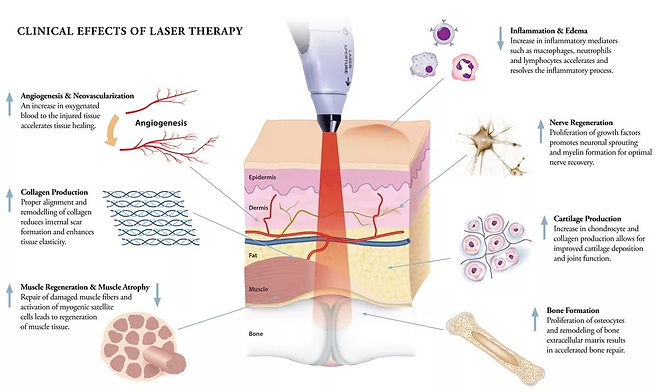
This is a painless and safe method that helps calm the nervous system, improve brain function, and support the body’s recovery processes. The laser does not heat the skin or cause discomfort. It is a non-invasive, gentle technology that activates the body’s internal resources — enhancing tissue repair, reducing inflammation, calming the nervous system, and even stimulating brain function.
At the cellular level, it gently stimulates essential processes, improving circulation, metabolism, and mood regulation.
Cold laser therapy is particularly beneficial for:
-
emotional overload and chronic stress
-
difficulties with concentration
-
learning challenges
-
integrative support for ADHD, autism, and anxiety conditions
-
improving sleep quality and recovery
Benefits of Professional Low-Level Laser Therapy (LLLT)
1. Gentle cellular-level impact
-
Stimulates mitochondria to produce ATP (energy)
-
Enhances cellular and tissue regeneration
-
Reduces inflammation at the biochemical level
2. Enhanced neuroplasticity
-
Supports the restoration of neural connections
-
Improves cognitive function
-
Used in work with ADHD, autism, and anxiety disorders
3. Reduction of pain and muscle tension
-
Effective for headaches, neck tension, and chronic muscle tightness
-
No side effects and no need for medication
4. Regulation of the autonomic nervous system
-
Combined with HRV training, helps the body shift out of chronic stress mode
-
Reduces cortisol levels and improves sleep
5. Fast and cumulative effects
-
Noticeable improvements after just a few sessions
-
Long-lasting results with consistent application
6. Safety and comfort
-
Completely painless
-
Suitable for both children and adults
-
No risk of burns or irritation
A Comprehensive, Science-Based Approach
When combined with neurofeedback, HRV training, QEEG assessment, osteopathy, and neurocorrection, cold laser therapy becomes part of a deeply personalized and scientifically grounded approach aimed at optimal development and emotional well-being.
This is a modern, integrative, and powerful method working simultaneously at the level of the brain, body, and nervous system.
How the System Works
1. We see the “brain map” (QEEG) — no guesswork
QEEG provides an objective understanding of brain function:
-
areas of excessive activity (anxiety, hyperexcitability)
-
areas of underactivation (low energy, inattention, ADHD patterns)
-
disrupted brain rhythms (sleep, attention, regulation)
No assumptions — only precise data.
2. We understand the state of the autonomic nervous system (HRV)
HRV shows how well the body adapts to stress, rests, and recovers:
-
High HRV = flexibility, resilience, and resourcefulness
-
Low HRV = overload, chronic tension, anxiety
We can identify how much the body is “stuck” in a fight-or-flight state and how this affects behavior, emotions, and attention.
3. We don’t just observe — we train the brain (Neurofeedback)
Neurofeedback acts as a “gym for the brain.” It helps to:
-
normalize brainwave activity
-
improve self-regulation
-
increase stress resilience
-
enhance attention, sleep, and mood
This is a safe, medication-free learning process in which the brain receives feedback and learns to function more efficiently.
In addition, neurocorrection exercises are used to support the formation of new neural connections and reinforce these changes.
A Unique Interdisciplinary Approach
This approach is based on the latest scientific research and integrates:
-
Neurodiagnostics (QEEG + HRV)
-
Gentle yet deep correction (neurofeedback)
-
Objective progress tracking
-
Improvements not only in symptoms but in overall quality of life
We also offer collaboration with highly qualified specialists to achieve the best results.
Osteopathic sessions and LLLT are provided by Kirill Pakhomov (@brain_body_soul_).
Who This Approach Is For
-
Children with anxiety, autistic traits, trauma, or ADHD
-
Teenagers with emotional instability and burnout
-
Adults with chronic stress, anxiety, and sleep disturbances
-
Athletes and entrepreneurs aiming to reach peak performance
This is a comprehensive, modern, and deeply personalized approach designed to restore balance, enhance resilience, and unlock human potential.
.jpg)


Photobiomodulation (PBM): Understanding Laser Therapy and How It Works
Laser therapy, scientifically known as photobiomodulation (PBM), uses focused light to stimulate tissue repair and recovery. It includes methods such as Low-Level Laser Therapy (LLLT), which has been cleared by the FDA for safety and effectiveness. This method is widely used in chiropractic care, physiotherapy, neurodevelopmental and neuromotor centers, and pain management clinics, allowing a variety of conditions to be treated without surgery or medication.
How the process works
-
A laser device delivers light at a specific wavelength that penetrates the skin and underlying tissues.
-
This light stimulates cellular energy production, accelerates recovery, and reduces inflammation, which is especially valuable in brain injury, chronic inflammatory processes, and conditions associated with ASD or ADHD.
-
Laser therapy also promotes the release of endorphins, providing natural pain relief.
Professional centers use advanced equipment for precise application. Laser therapy can be highly effective for:
-
Chronic pain: back pain, sciatica, neck stiffness related to disc issues or muscular tension
-
Joint conditions: arthritis, tendonitis, bursitis affecting the knees, hips, or shoulders
-
Neurological issues: neuropathy causing tingling or numbness in the hands and feet, often seen after brain injury
-
Soft tissue injuries: sprains, strains, post-surgical recovery
-
Conditions associated with ASD and ADHD: laser therapy may help reduce neurological tension and inflammatory processes, supporting cognitive and emotional regulation
Photobiomodulation in Neurodevelopmental Conditions
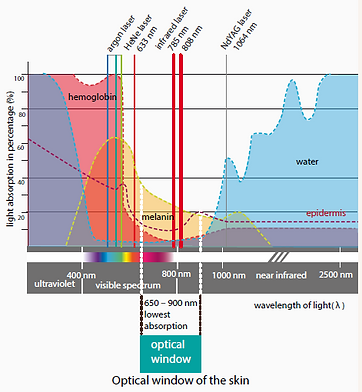
Low-level laser therapy (LLLT) / transcranial photobiomodulation works through specific wavelengths of red and near-infrared light. This light penetrates the skin and skull and influences cellular metabolism within brain tissue.
1. Mitochondria and brain energy
Mechanism:
Light activates the mitochondrial enzyme cytochrome c oxidase. This increases ATP production, reduces oxidative stress, and normalizes cellular metabolism.
Why this matters:
Children with ASD, ADHD, and developmental delays often show signs of mitochondrial dysfunction — in other words, the brain may literally be lacking energy. Improved ATP production may enhance:
-
attention and concentration
-
speed of information processing
-
cognitive endurance
-
behavioral regulation
2. Neuroinflammation
In ASD and ADHD, chronic neuroinflammation is often observed, including:
-
microglial activation
-
elevated pro-inflammatory cytokines
-
disrupted synaptic transmission
Photobiomodulation may help by:
-
reducing inflammatory markers
-
lowering microglial activation
-
normalizing neuronal signaling
3. Improved cerebral blood flow
Laser therapy stimulates the release of nitric oxide (NO), which:
-
dilates blood vessels
-
improves microcirculation
-
increases tissue oxygenation
This is especially important in:
-
speech delay
-
hypoxic conditions
-
consequences of birth trauma
-
minimal brain dysfunction
Improved blood flow in frontal and temporal regions may support:
-
activation of speech centers
-
better language comprehension
-
improved cognitive function
4. Speech delay. When applied to the frontal lobes, temporal regions, Broca’s area, and Wernicke’s area, potential effects may include:
-
improved articulation and motor speech function
-
faster vocabulary development
-
better speech comprehension
-
increased speech initiative
Important: laser therapy does not replace speech therapy or neurocorrection. It enhances neuroplasticity, making corrective work more effective.
5. Developmental delay. Potential mechanisms include:
-
enhanced neuroplasticity
-
stimulation of dendritic growth
-
improved synaptic transmission
-
normalization of excitation/inhibition balance
6. ADHD. Targeting the prefrontal cortex may support:
-
improved dopamine regulation
-
increased sustained attention
-
reduced hyperactivity
-
stronger executive functioning
With appropriate protocols, symptoms may decrease without medication, or laser therapy may be used alongside other interventions.
7. Autism Spectrum Disorder (ASD). Potential areas of benefit include:
-
reduced neuroinflammation
-
improved mitochondrial function
-
normalization of sensory processing
-
enhanced social engagement
Some studies report improvements in: eye contact, speech activity, reduction of stereotyped behaviors, sleep quality
Photobiomodulation acts on several key mechanisms at once:
-
cellular energy
-
inflammation
-
blood flow
-
neuroplasticity
-
neurotransmitter balance
It is important to understand that this is not a miracle cure. Results depend on the protocol, wavelength, and regularity of treatment. A course of treatment is usually required (typically 8–20 sessions). It works best as part of a comprehensive approach that includes neurocorrection, nutritional support, and neuromodulation.
Why We Begin with QEEG
To achieve the most precise and personalized effect from photobiomodulation, we begin with QEEG (quantitative electroencephalography), especially in cases of traumatic brain injury and neurodevelopmental differences.
Why QEEG first?
QEEG is an advanced analysis of brain electrical activity. It allows us to identify:
-
areas of hypoactivity
-
regions of hyperexcitability
-
imbalances in alpha, beta, theta, and delta rhythms
-
signs of neuroinflammation
-
disrupted interhemispheric connections
-
reduced blood flow in specific brain regions
This makes cold laser therapy targeted and science-based, rather than general. Based on QEEG analysis, we can select:
-
wavelength
-
power
-
treatment area
-
course duration
-
frequency of procedures
How PBM Works at the Cellular Level
Every cell in the body depends on mitochondria, the energy-producing “power stations” that generate ATP (adenosine triphosphate). ATP provides the energy required for healing, regeneration, and normal tissue function.
When tissue is damaged, inflamed, or under stress:
-
mitochondria work less efficiently
-
ATP production decreases
-
recovery slows down
Red and near-infrared light at specific wavelengths penetrates tissue and is absorbed by cytochrome c oxidase, a mitochondrial enzyme. This improves mitochondrial efficiency and increases ATP synthesis.
More ATP means:
-
more cellular energy
-
faster healing
-
better recovery
PBM and Brain Function in Children
Cellular energy is especially important for the brain and for child development. The brain is the body’s most energy-dependent organ, consuming up to 20% of total energy. Any mitochondrial dysfunction or chronic inflammation can directly affect attention, behavior, learning, and development.
If mitochondria are functioning inefficiently or chronic inflammation is present, this may appear as:
-
fatigue
-
concentration problems
-
learning difficulties
-
emotional instability
-
slow nervous system recovery
Many children with ADHD, autism spectrum disorder, speech or cognitive delays, sensory difficulties, or the последствия of hypoxia or stress often show:
-
reduced mitochondrial activity
-
ATP deficiency
-
neuroinflammation
-
impaired microcirculation
-
neural network imbalance
In simple terms brain cells do not have enough energy, and inflammation interferes with normal neural function. PBM helps by:
-
improving neuronal energy metabolism
-
reducing neuroinflammation
-
increasing cerebral blood flow
This creates more favorable conditions for:
-
attention
-
memory
-
speech
-
self-regulation
-
neuroplasticity
In such cases, it is essential to provide cells with more energy, reduce inflammation, improve circulation, and support neuroplasticity. Photobiomodulation does exactly this at the cellular level.
Why Cheap “Laser” Devices and $100 Marketplace Masks Do Not Produce the Same Effect
Many devices sold online may look similar, but physiologically they often do very little. The reasons are straightforward:
Insufficient power. Professional devices have enough power for light to penetrate deeply into tissue. Cheap devices are too weak, and the light often does not go beyond the surface of the skin. If the energy does not reach the cells, the mitochondria are not stimulated.
Incorrect wavelength. Therapeutic effect occurs only within specific wavelength ranges, roughly 600–1000 nm. Professional systems are precisely calibrated. Budget devices often are not.
Insufficient energy dose. A biological effect requires a specific energy dose measured in joules. If the dose is too low, it simply does not trigger cellular processes.
Unstable performance. Low-cost devices often deliver inconsistent light output, overheat, or lose power over time, making results unpredictable. In essence, they are just light sources, not true therapeutic tools.
Photobiomodulation is a science-based method grounded in biophysics and cellular energetics. But results depend on three key factors such as the correct wavelength, sufficient power, precise dosage. Without these, there is no meaningful therapeutic effect. A professional laser is a treatment instrument. A cheap consumer device is not.
Treatment Formats.
Single session. Suitable for initial evaluation, getting acquainted with the method, a test procedure, local concerns
Package of 10+ sessions. Recommended for lasting results, brain-focused work, neurodevelopmental support, chronic conditions, comprehensive rehabilitation. Because cellular and neural processes require time, a course of procedures produces stronger and more stable effects.
Cost Factors
The price of laser therapy varies depending on several factors:
-
Type of laser: lasers designed for deep, chronic issues cost more than those for superficial conditions
-
Session duration: 10, 30, or 60 minutes; longer sessions for complex cases increase the cost
-
Specialist expertise: certified osteopaths, chiropractors, and therapists with advanced training typically charge more
-
Location: prices vary by country
-
Equipment quality: advanced systems require significant investment
Number of Sessions
In most cases, 6–12 sessions are recommended, with adjustments made individually after assessment.
-
Mild conditions: 6–8 sessions, 1–2 times per week
-
Chronic conditions: 10–12 sessions, 2–3 times per week
-
Maintenance therapy: monthly sessions to prevent relapse
Sessions may last 15, 30, or 60 minutes depending on the protocol.
How much does laser therapy cost?
Typically $60–150 per session, or $50–110 per session in packages.
Can it be combined with other methods?
Yes. It is often combined with osteopathic techniques or neurocorrection.
.jpg)

CONTACT ME
Do you have questions or suggestions? Would you like to book a seminar for yourself or your organization? Contact us to learn more.
